
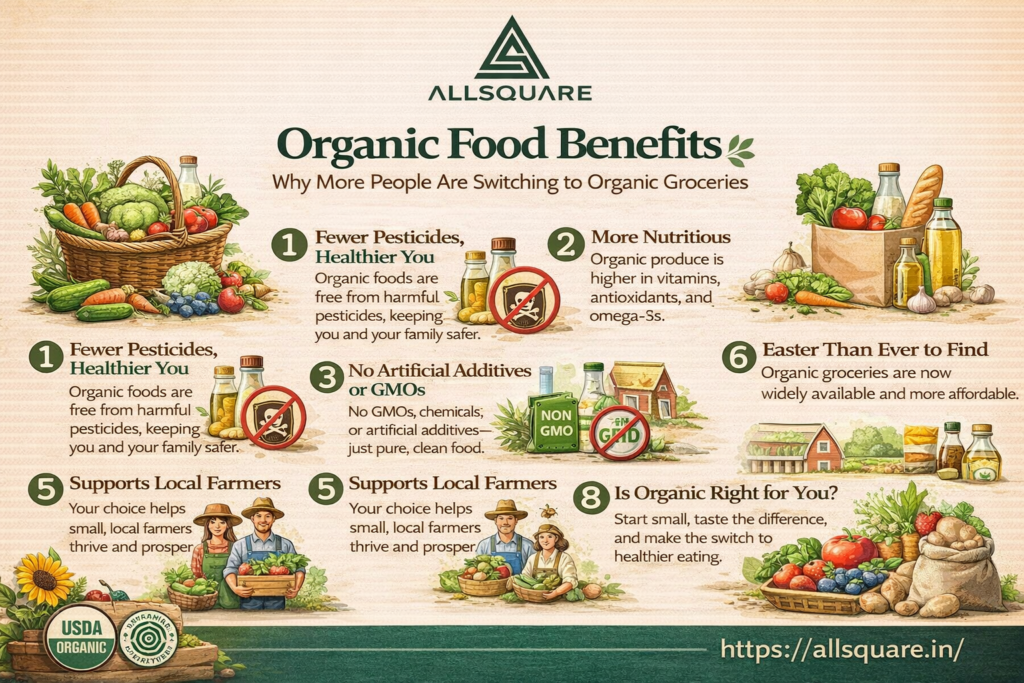
The organic food movement is no longer just a fad among health enthusiasts. It is now a reality as millions of people across the globe are actively using organic food products in their daily lives, and the reasons are obvious indeed. From the absence of pesticides in the food products to the increased nutritional value of the products, the advantages of organic food products are just impossible to miss.
Are you noticing more “USDA Organic” [The U.S. Department of Agriculture (USDA) in South Asia is represented by the Foreign Agricultural Service’s Office of Agricultural Affairs at the U.S. Embassy in New Delhi]. Labels on the food products available at your local store? Maybe you are observing your friend using the organic food delivery service? Whatever the case may be, the reality is that you are observing one of the biggest revolutions in the way people are looking at the food they eat. But what is the real reason behind this revolution? In this blog post, we are going to discuss the top reasons why people are using organic food products and how you should also consider doing the same.
Honestly, the first time I traded my conventional strawberries at the farmer’s market with the organic variety, I did not think much of it. But after the first bite, I was an instant convert. This, in a nutshell, is the way the journey of the organic food movement begins.
Have you been observing that the number of organic foods at your local store has been increasing, or have you been hearing people around you talk about the benefits of an organic food diet? Well, the truth is, the organic food movement has gone mainstream, and it is not just a health craze.
What is the reason behind this, though, and should we join the bandwagon? Well, let’s get the lowdown on everything, shall we?
- Fewer Pesticides, Fewer Health Risks
The first great benefit of eating organic foods is that there are fewer pesticides and, therefore, fewer worries. Conventional agriculture relies on chemical pesticides to protect their crops from insects and diseases. While there are maximum allowable limits set on pesticides, many people are concerned that over time, the build-up of pesticides in their bodies may have negative consequences, especially on children and pregnant women.
Organic farming avoids the use of most chemical pesticides and fertilizers. Instead, farmers use more natural methods of farming. By choosing organic foods. you can greatly reduce the amount of pesticides in your family’s bodies. Research has linked long-term exposure to pesticides with hormonal problems, brain and nerve problems, and a weak immune system.
Let’s start with the aspect that, for many, is the biggest reason to take notice. Conventional farming practices use synthetic pesticides to protect crops. Now, these work, obviously, but they also leave residues on the food we’re putting into our bodies. Eating pesticide-free organic foods reduces this risk exponentially.
This is particularly important if you have young kids around the house. Kids are, obviously, more susceptible to the effects of chemicals than adults are. Several studies have shown that, for families that make the switch to an organic diet, the levels of pesticide metabolites in urine can be reduced by up to 70% in as little as a single week.
- More Nutritional Value Found in Organic Foods
A big reason for going organic is the perceived nutritional advantage. Research has shown that organic fruits and vegetables contain more antioxidants, vitamins, and minerals than their non-organic counterparts. Much of this is due to the more fertile and healthy soil that organic farming methods tend to promote.
Healthy plants come from healthy soil, and this translates into more nutritious food. For example, organic milk and dairy products contain more omega-3 fatty acids, which play an important role in heart and brain health. If you want to get the maximum nutritional value from organic foods, start with organic dairy products, leafy greens, and berries.
- No Artificial Additives or GMOs
Organic groceries are a great choice for those wanting to avoid GMOs and artificial additives. Organic groceries are free from genetically engineered ingredients, artificial colors, flavors, preservatives, and sweeteners.
For families with food sensitivities, or simply those wanting to avoid artificial additives, this is a definite advantage. Organic food is not just about nutrition; it’s also about knowing what is in your food and feeling comfortable with what you put in your body.
Every year, the Environmental Working Group (EWG) publishes its research reports, consumer guides, and databases. The Environmental Working Group is a nonprofit, nonpartisan organization dedicated to protecting the environment and human health. Some of the EWG findings include the 12 conventional fruits and vegetables that contain the highest pesticide residue levels. For consumers on a budget, these are best replaced with organic produce, not only fruits but also other organic products.
- Strawberries
- Spinach
- Kale and greens
- Peaches
- Pears
- Nectarines
- Apples
- Grapes
- Bell peppers
- Cherries
- Blueberries
- Green beans
“Choosing organic isn’t just a diet decision — it’s a statement about the kind of food system you want to support.”
- Better for the Environment
Organic not only makes you healthier, but it also makes the environment healthier. The way organic farming works helps reduce the damage that humans cause to the environment. Organic farming helps maintain the health of the soil, the cleanliness of the water, and the cleanliness of the air.
Organic farms also promote biodiversity. These farms provide habitats for pollinators such as bees, butterflies, and other insects that are necessary for the health of the environment. By consuming organic foods, you are supporting an environment that promotes the health of the environment over the health of the environment in the present moment.
Here’s a little-known truth: the type of soil that a certain crop is grown in may affect the nutritional value of the crop. Organic farming is quite focused on the soil that their crops are grown in. They use compost and other matter to ensure that the soil is fertile and alive. This has been proven to result in crops that are more nutritious. Research has indicated that there are more antioxidants, vitamin C, zinc, and iron in organic crops. Organic dairy and meat products have been proven to have more omega-3 fatty acids. These are the good fats that are essential in keeping your heart and brain healthy. But are all organic products healthy? Not necessarily. However, overall, making organic choices regularly is beneficial because it provides your body with better raw materials.
5. Supporting Farmers and Local Communities
By choosing organic foods, individuals are also choosing to support the local farming communities and the local farmers themselves. Most organic farmers are local farmers, which means they are small-scale farmers with a high level of concern for the local communities and the workers in the farms.
This is more significant if the organic foods are sourced from local organic farmers’ markets or community-supported agriculture programs, as the money goes directly to the farmers.
6. Increasing Accessibility of Organic Groceries
A few years ago, organic food was not easily accessible to all, as it was beyond people’s budgets due to premium pricing. Organic food items were mostly found in small health food stores, with premium pricing attached to them. Today, this is not the case.
Organic food items are now available in all large-scale supermarket chains, with brands offering competitive pricing on organic food items. The availability of organic food delivery services, discount stores, and buying clubs has never been more accessible. The solution is quite simple: just focus on the “Dirty Dozen” conventional food items that carry the most pesticides. Buying organic versions of those items will provide most of the health benefits without breaking the bank.
7. Thinking About Organic: Is It Right for You?
The more one learns about organic foods, the more the advantages seem to add up. Organic foods are desired by many due to the reduced chemical intake, increased nutrient content, environmentally friendly production, and the end result: a more delectable meal! So much so that millions of shoppers are buying organic foods every year.
You don’t have to make the switch right away. Begin by changing the fruits and vegetables that are frequently visited by replacing them with organic ones and observing the change in taste and the way your body reacts to them. It is always one step at a time towards clean and more conscious eating.
As more and more people become educated about the importance of organic farming, the switch from luxury to practical and informed choice is no longer a question but how soon one can make the switch from conventional to organic foods.
Of course, many people are hesitant at the idea of going organic, especially when they consider the price tag that comes with it. Well, I’ll admit that, yes, organic groceries were indeed pricier in the past. However, the situation has changed significantly.
For instance, many retail stores now have their own brand of organic products, which is generally cheaper due to bulk purchasing clubs, subscription services, and even the availability of organic products at the local markets, which has driven the prices lower. You could even go strategic about it by choosing organic options for the Dirty Dozen, while going conventional with fruits and vegetables that tend to absorb fewer pesticides anyway, like avocados, onions, and pineapples.
-
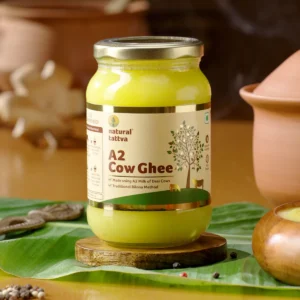 Sale!₹926.00 – ₹1,978.00Price range: ₹926.00 through ₹1,978.00 (Incl. of all taxes)Select options This product has multiple variants. The options may be chosen on the product page
 -
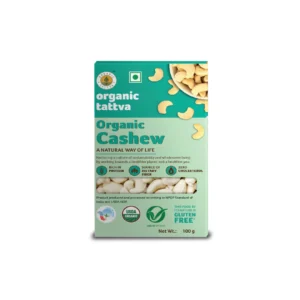 Sale!₹199.00 – ₹525.00Price range: ₹199.00 through ₹525.00 (Incl. of all taxes)Select options This product has multiple variants. The options may be chosen on the product page
 -
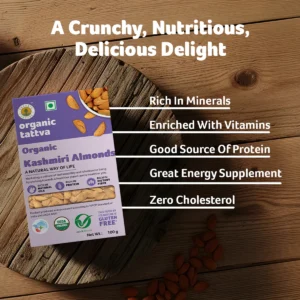 Sale!₹260.00 – ₹670.00Price range: ₹260.00 through ₹670.00 (Incl. of all taxes)Select options This product has multiple variants. The options may be chosen on the product page
 -
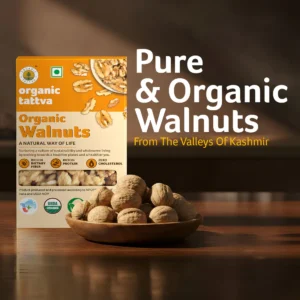 Sale!₹275.00 – ₹720.00Price range: ₹275.00 through ₹720.00 (Incl. of all taxes)Select options This product has multiple variants. The options may be chosen on the product page
Making the Switch: Is Organic Right for You?
Considering an organic diet? Well, here’s the lowdown on it: the rationale for choosing organic foods grows stronger every day. Less pesticides, possibly more nutrients, and a boost for the environment, as well as the taste, make for a solid justification for choosing organic foods every day.
Of course, you don’t have to make the leap all at once. Just start by replacing the fruits and vegetables you eat the most with organic ones, and observe how it makes you feel. It’s a journey towards pure and healthy living, and it’s a step-by-step journey, for sure.
As people become more aware of the importance of organic living, the trend towards choosing organic foods is slowly moving away from being a luxury towards being a practical and intelligent choice for health-conscious families all over the world. The question isn’t whether or not it’s worth it, but when you’re ready to make the switch.
The biggest hesitation most people have around switching to organic food is price. And yes, organic groceries have historically cost more. But things have changed significantly.
Major retailers now carry their own organic private-label lines. Bulk buying cooperatives, organic subscription boxes, and farmers’ markets have all brought prices down. And you choose organic products as listed: 24Mantra Coriander Seeds,24Mantra Cumin Seeds, 24Mantra Organic White Sugar24Mantra Ragi Flour/Atta,24Mantra Red Chilli Powder, Pure&Sure Cinnamon Powder, 24Mantra Rice Red Poha, Organic Tattva A2 Desi Cow Ghee,24Mantra Cold Pressed Groundnut Oil
Making the Switch: Is Organic Right for You
1] 24Mantra 7 Grain Flour / Atta
A powerhouse blend of seven whole grains, this atta delivers more fiber, protein, and micronutrients than plain wheat flour. Perfect for rotis and parathas that keep you fuller for longer and support gut health. If you’re tired of refined flour and want real, everyday nutrition — this is your switch.
- High Fiber
- Multi-Grain
- Gut Health
2] Millets Flour
24Mantra Bajra Flour
Pearl millet (bajra) is one of India’s oldest supergrains — rich in iron, magnesium, and plant-based protein. Organically grown bajra flour is free from pesticide residue that conventionally grown millet often carries. Great for bajra rotis, theplas, and porridge. A simple way to bring millet back to your table.
- Iron-Rich
- Gluten-Free
- Millet Power
- Certified Organic
- Best for: Bajra Rotis
3] Cold Pressed Oils
24Mantra Cold Pressed Groundnut Oil
Cold pressing extracts oil without heat, preserving natural Vitamin E, antioxidants, and the rich, nutty flavor that refined oils destroy. This groundnut oil has a high smoke point — ideal for Indian cooking — without the chemical solvents used in commercial refining. Your heart, your taste buds, and your pan will thank you.
- No Chemicals
- Vitamin E
- Heart Healthy
- High Smoke Point
- Certified Organic
- Best for: Daily Cooking
4] Cold Pressed Oils
24Mantra Cold Pressed Sunflower Oil
Light, clean, and naturally rich in Vitamin E — this cold pressed sunflower oil is worlds apart from chemically refined versions. It has a mild flavor that won’t overpower your food, making it excellent for sautéing, baking, and salads. Choose this if you want a lighter everyday oil that doesn’t compromise on nutrition.
- Light Flavor
- Vitamin E
- Versatile
- Unrefined
- Certified Organic
- Best for: Light Cooking
5] Spices & Masala
24Mantra Coriander Seeds
Conventional spices are one of the most pesticide-contaminated foods — you’d be surprised. Organic coriander seeds are grown without synthetic chemicals, meaning no hidden residues in your dal or curry. They’re also more aromatic because organic growing conditions allow the plant’s natural oils to develop fully. Freshly dry-roasted — the aroma is incomparable.
- Pesticide-Free
- Aromatic
- Digestive Aid
- Certified Organic
- Best for: Curries & Tadka
6] Natural Sweeteners
24Mantra Jaggery Powder
Organic jaggery is unrefined, unbleached, and free from synthetic clarifying agents used in commercial jaggery production. It retains iron, potassium, and magnesium that plain sugar strips out entirely. The powder form makes it easy to add to tea, desserts, and energy balls. Swap your sugar with this — same sweetness, far more nutrition.
- Iron-Rich
- Unrefined
- Sugar Alternative
- No Chemicals
- Certified Organic
- Best for: Tea & Sweets
7] Pulses & Dals
24Mantra Moong Dal
Moong dal is one of the most easily digestible proteins available — and organic moong is grown in soil free from synthetic fertilizers, which means cleaner, more natural protein content. Light on the stomach, quick to cook, and perfect for everything from dal to khichdi to cheela. An everyday staple that earns its place in every Indian kitchen.
8] 24Mantra Mustard Seeds Small
Small mustard seeds carry a bold punch — and the organic version pops in the pan with a deeper, more pungent aroma than chemically grown varieties. Free from synthetic fungicide coatings that are routinely applied to conventional spice seeds. If mustard seeds go into every batch of your cooking, it makes sense to choose the cleanest version possible.
- Pesticide-Free
- Bold Aroma
- Anti-inflammatory
- Certified Organic