

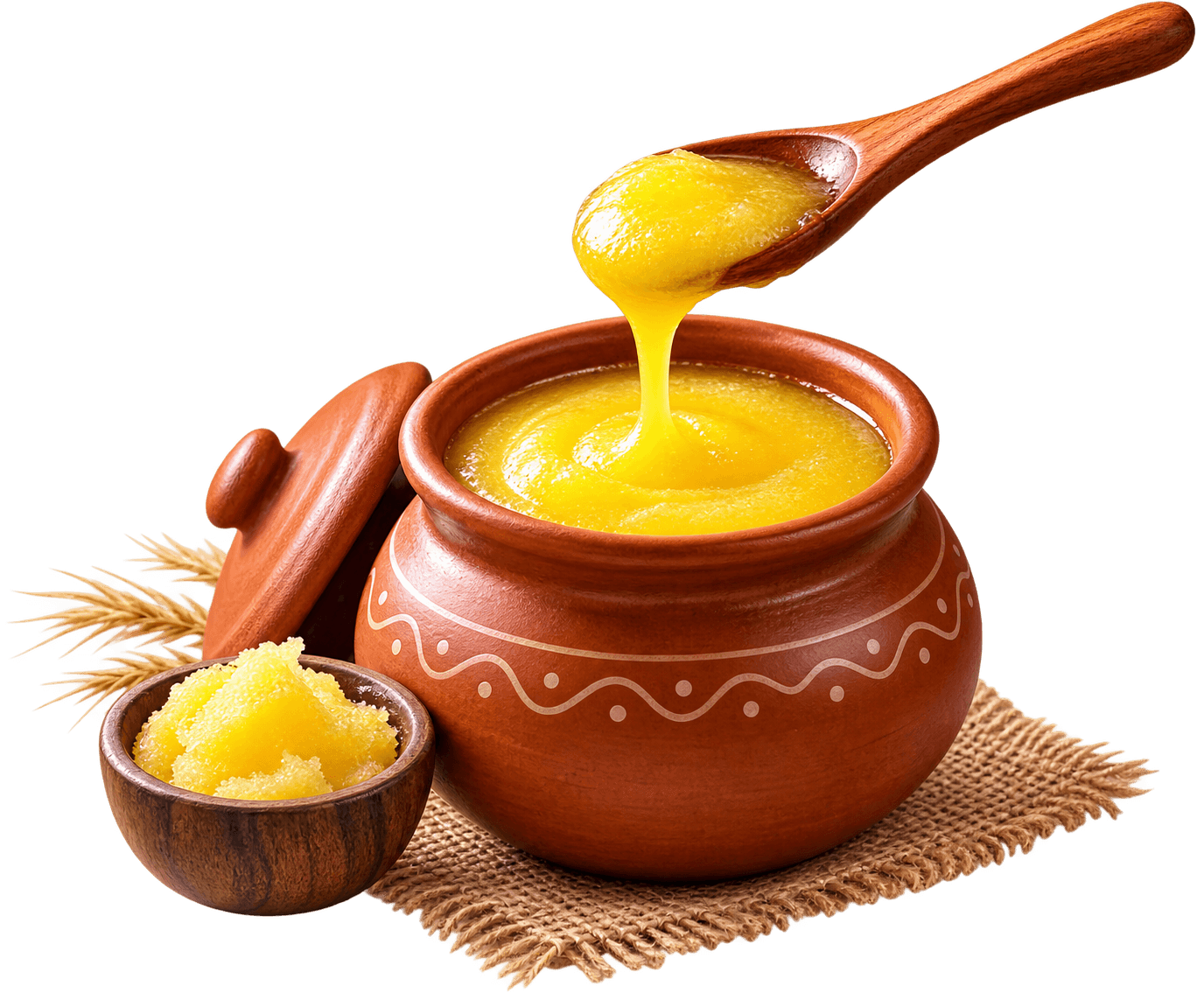
 A2 Desi Bilona Ghee
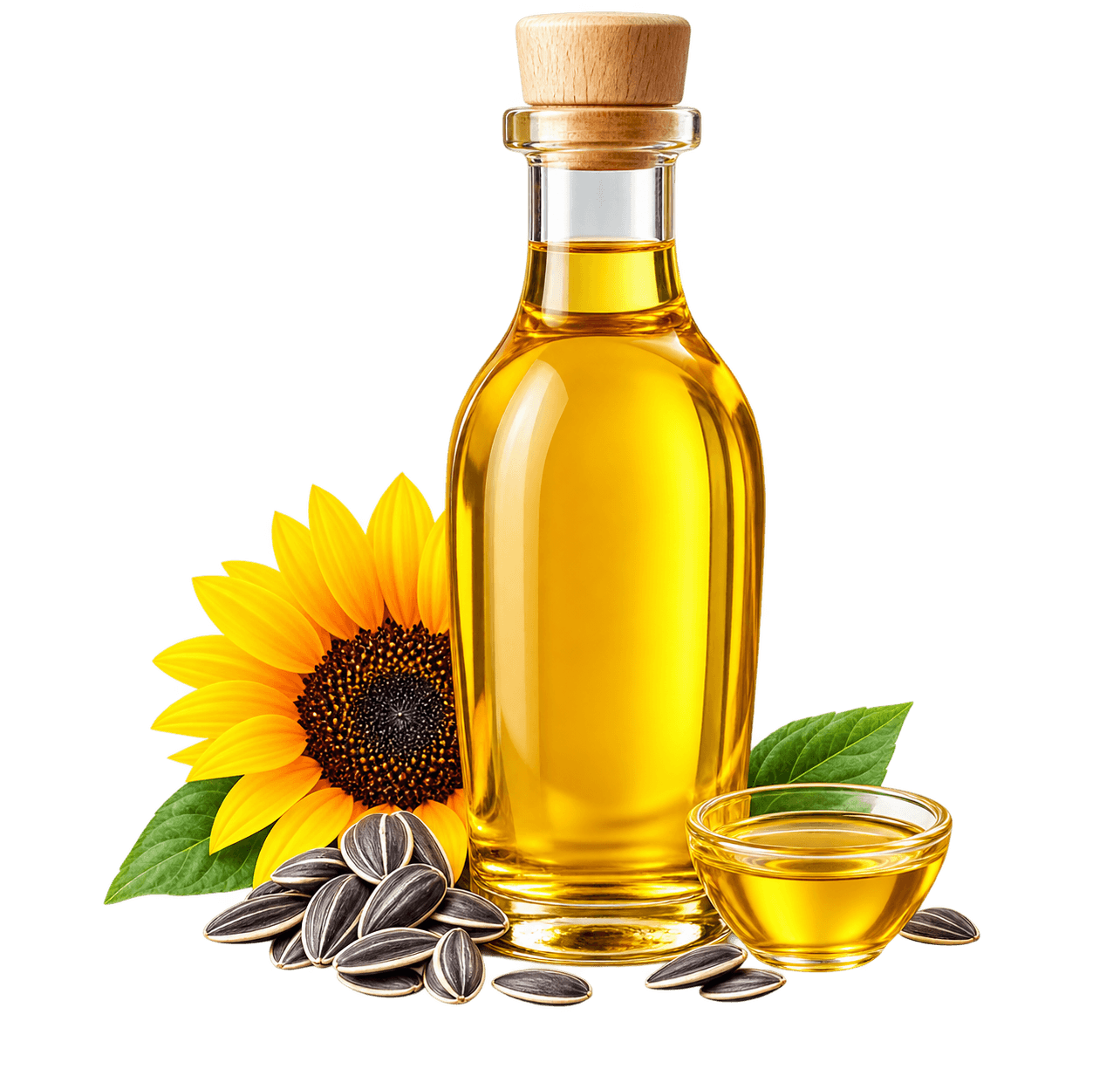 Cold Pressed Oil
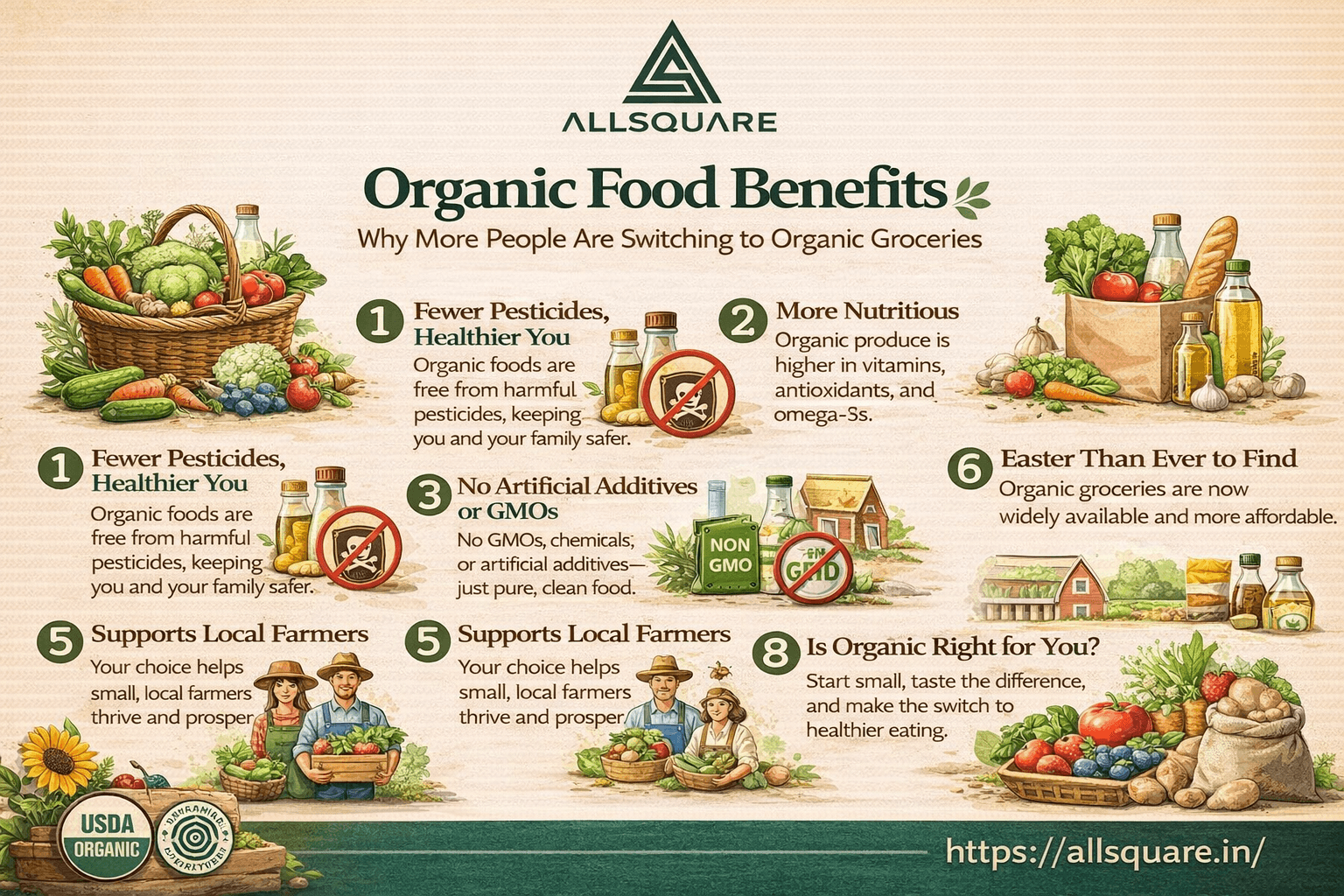
The organic food movement is no longer just a fad among health enthusiasts. It is now a reality, as millions of people across the globe are actively using organic food products in their daily lives — and the reasons are obvious. From the absence of pesticides to increased nutritional value, the advantages of organic food are impossible to miss.
Honestly, the first time I traded my conventional strawberries at the farmer's market for the organic variety, I did not think much of it. But after the first bite, I was an instant convert. This, in a nutshell, is how the journey into organic food usually begins.
Why Is Everyone Suddenly Talking About Organic?
Are you noticing more "USDA Organic" labels on the food products at your local store? Maybe you're seeing a friend use an organic food delivery service? Whatever the case, you're witnessing one of the biggest shifts in how people look at the food they eat.
Have you noticed the number of organic foods at your local store increasing, or heard people around you talking about the benefits of an organic diet? The truth is, the organic food movement has gone mainstream — and it isn't just a health craze. So what's the reason behind it, and should you join in? Let's get into it.
1. Fewer Pesticides, Fewer Health Risks
The first great benefit of eating organic is fewer pesticides, and therefore fewer worries. Conventional agriculture relies on chemical pesticides to protect crops from insects and disease. While maximum allowable limits exist, many people are concerned that the long-term build-up of pesticides in the body may have negative consequences, especially for children and pregnant women.
Organic farming avoids most chemical pesticides and fertilizers, relying instead on natural farming methods. Research has linked long-term pesticide exposure to hormonal issues, brain and nerve problems, and a weakened immune system. This is particularly important for households with young kids, who are more susceptible to the effects of chemicals than adults.
2. More Nutritional Value in Organic Foods
A big reason for going organic is the perceived nutritional advantage. Research shows that organic fruits and vegetables contain more antioxidants, vitamins, and minerals than their non-organic counterparts — largely due to the more fertile, healthy soil that organic farming promotes.
Healthy plants come from healthy soil, and that translates into more nutritious food. For example, organic milk and dairy products contain more omega-3 fatty acids, which play an important role in heart and brain health.
3. No Artificial Additives or GMOs
Organic groceries are a great choice for those wanting to avoid GMOs and artificial additives. They're free from genetically engineered ingredients, artificial colours, flavours, preservatives, and sweeteners — a real advantage for families with food sensitivities, or anyone who simply wants to know what's in their food.
The Environmental Working Group (EWG), a nonprofit dedicated to protecting the environment and human health, publishes an annual list of conventional fruits and vegetables with the highest pesticide residue levels. For consumers on a budget, these are best replaced with organic versions first:
- Strawberries
- Spinach
- Kale and greens
- Peaches
- Pears
- Nectarines
- Apples
- Grapes
- Bell peppers
- Cherries
- Blueberries
- Green beans
4. Better for the Environment
Organic doesn't just make you healthier — it makes the environment healthier too. Organic farming practices help maintain the health of the soil, the cleanliness of the water, and the quality of the air, while reducing the broader damage conventional farming can cause.
Organic farms also promote biodiversity, providing habitats for pollinators such as bees, butterflies, and other insects essential to environmental health. By consuming organic foods, you're supporting a food system built for long-term environmental health, not just short-term output.
Here's a little-known truth: the type of soil a crop is grown in can affect its nutritional value. Organic farming pays close attention to soil health, using compost and other organic matter to keep it fertile and alive — resulting in crops with more antioxidants, vitamin C, zinc, and iron. Organic dairy and meat products have also been shown to contain more omega-3 fatty acids, the good fats essential for heart and brain health.
5. Supporting Farmers and Local Communities
By choosing organic foods, you're also choosing to support local farming communities. Most organic farmers are small-scale, local farmers with a high level of concern for their communities and farm workers.
6. Increasing Accessibility of Organic Groceries
A few years ago, organic food wasn't easily accessible to everyone — it was mostly found in small health food stores with premium pricing attached. Today, that's no longer the case.
Organic food items are now available across large-scale supermarket chains, with brands offering competitive pricing. Organic food delivery services, discount stores, and buying clubs have made organic groceries more accessible than ever.
- Focus first on the "Dirty Dozen" conventional items that carry the most pesticides
- Buy organic versions of just those items to get most of the health benefits without overspending
- Look for store-brand organic lines, which are often cheaper due to bulk purchasing
- Consider subscription services or buying clubs for lower recurring prices
7. Thinking About Organic: Is It Right for You?
The more you learn about organic foods, the more the advantages seem to add up — reduced chemical intake, increased nutrient content, environmentally friendly production, and, for many, better-tasting food. It's no surprise millions of shoppers buy organic every year.
You don't have to make the switch right away. Start by replacing the fruits and vegetables you buy most often with organic versions, and notice the difference in taste and how your body responds. It's always one step at a time toward cleaner, more conscious eating.
As more people learn about the value of organic farming, the switch from "luxury" to a practical, informed choice is no longer a question of if — just how soon.
What About the Price Tag?
Of course, many people hesitate at the idea of going organic because of the price. And yes, organic groceries were indeed pricier in the past — but the situation has changed significantly.
- Store-brand organics are now widely available and generally cheaper
- Bulk purchasing clubs and subscription services have driven prices down further
- Local markets often offer organic produce at more competitive rates
- Go strategic — choose organic for the Dirty Dozen, and stay conventional for produce that absorbs fewer pesticides anyway, like avocados, onions, and pineapples