
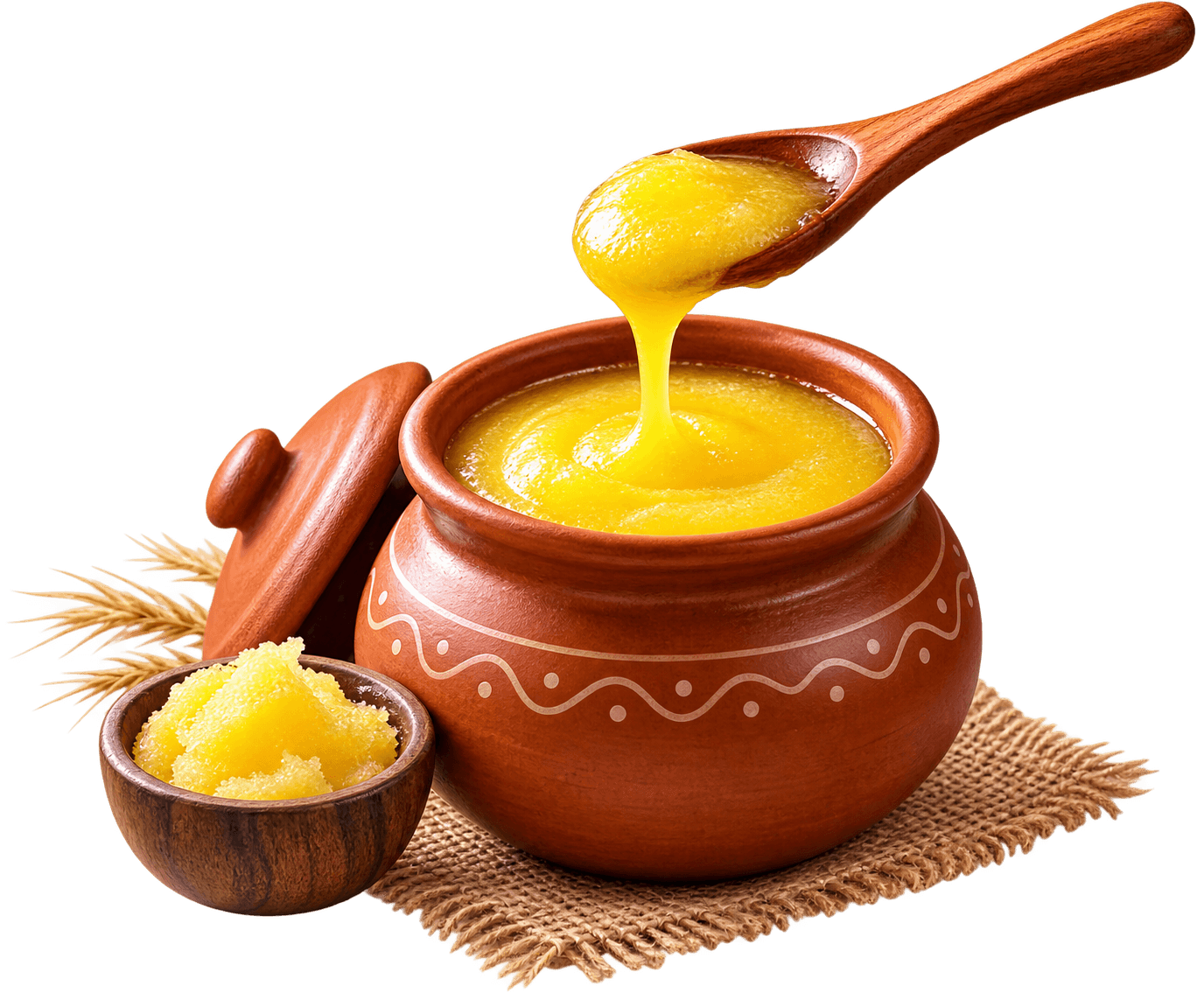
 A2 Desi Bilona Ghee
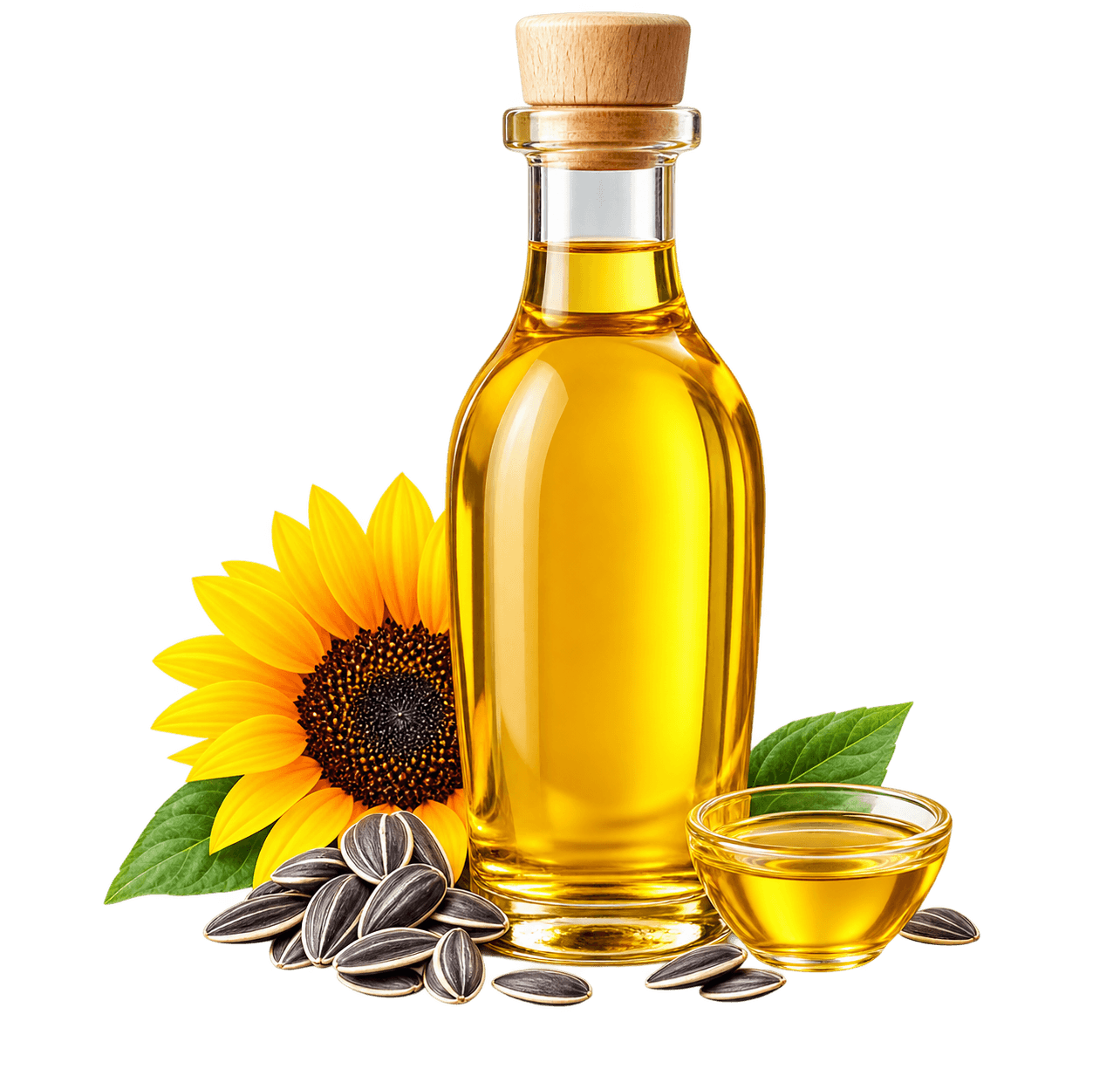 Cold Pressed Oil
Organic food is no longer a niche shelf in Indian supermarkets — from Mumbai to tier-2 cities like Pune and Jaipur, it's mainstream. The Indian organic market crossed INR 1,400 crores in 2024 and is growing over 20% a year, driven by health-conscious families rather than just taste.
The good news: certified organic no longer means paying a huge premium. Here's a shortlist of trusted, affordable brands — and how to buy them.
What Counts as "Certified Organic"?
Not every "natural" or "chemical-free" label is genuinely organic. Look for these certifications on the package itself:
- India Organic (NPOP) — Government of India's official organic certification.
- PGS-India — Community certification used by smaller farmer collectives.
- USDA / EU Organic — Seen on higher-end products also sold internationally.
Trusted Organic Brands
24 Mantra Organic
Works with 40,000+ farmers across 8 states, offering everyday staples — rice, dal, atta, cold-pressed oils — at prices close to conventional products.
Organic India
Known for Tulsi Tea and herbal supplements, with its own USDA and NPOP-certified farms in Uttar Pradesh.
Go Organic Kankrej Cow Ghee
Traditional hand-churned bilona ghee from Kankrej cow milk — rich aroma, no adulteration.
Conscious Food
Heritage grains — red rice, black wheat, millets, amaranth — sourced from local farmers since the 1990s. Pricier, but genuinely rare varieties.
Where to Buy Online
- BigBasket Organics — Widest selection, next-day delivery; not every listing is formally certified.
- Amazon India — Reliable for certified dry foods, teas, and pantry staples.
- Brand websites (Praakritik, Organic India) — Better bulk pricing and loyalty deals, slower delivery.
- Local organic markets — Fresher produce and direct farmer conversations in cities like Bengaluru and Delhi.
Smart Shopping Tips
- Prioritise the "Dirty Dozen" — spinach, tomatoes, apples, and grapes carry the most pesticide residue.
- Buy in bulk — organic atta, rice, and dals stay fresh for 6 months, lowering per-unit cost.
- Check the logo, not the label — a green leaf graphic isn't a certification; the NPOP number is.
- Watch expiry dates — no artificial preservatives means shorter shelf life.
The Bottom Line
You don't need to switch everything overnight. Start with one or two categories — oil, flour, or spices — and see how it feels. Go green, support responsible farmers, and trust the process — your kitchen and your body will thank you.