

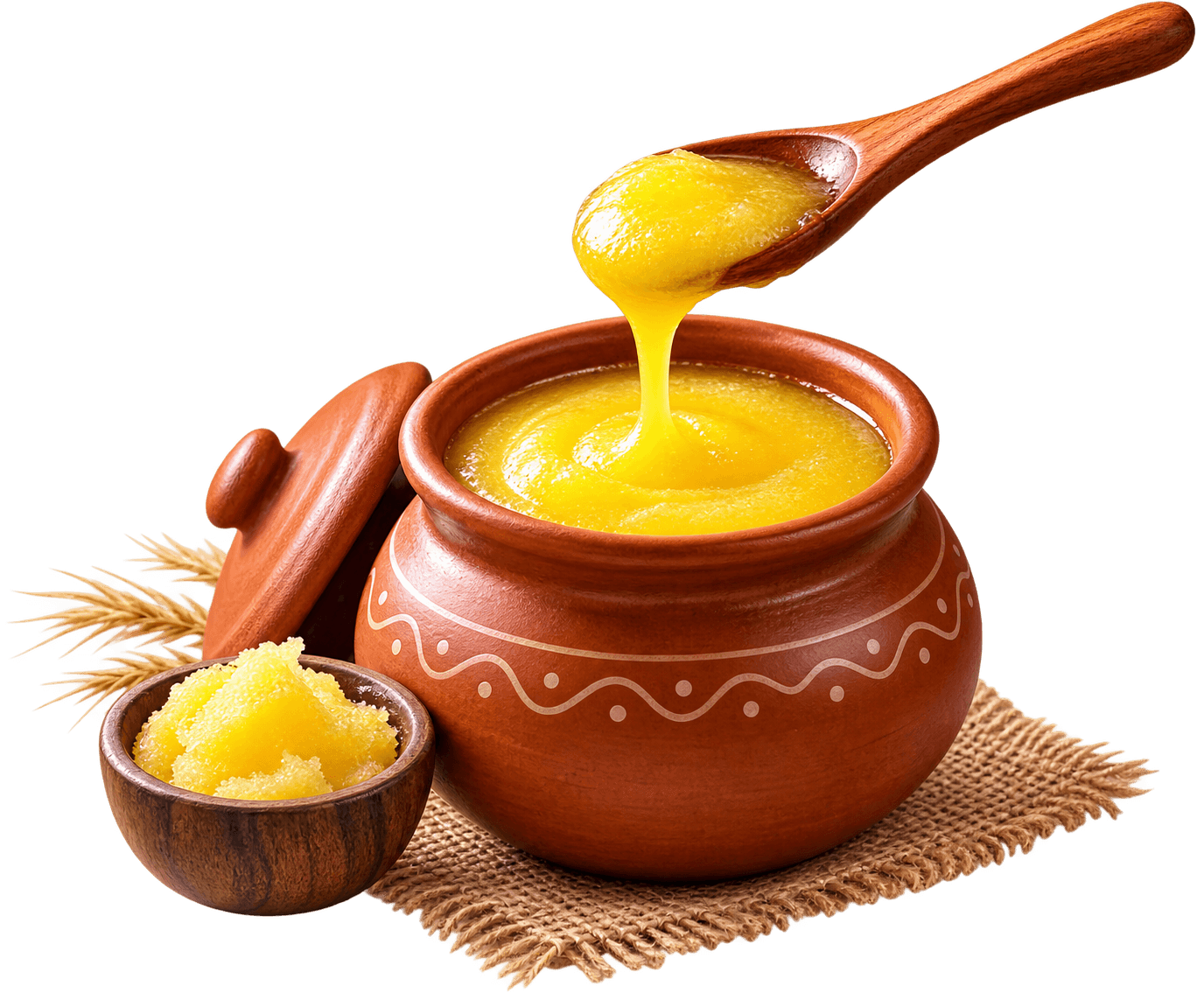
 A2 Desi Bilona Ghee
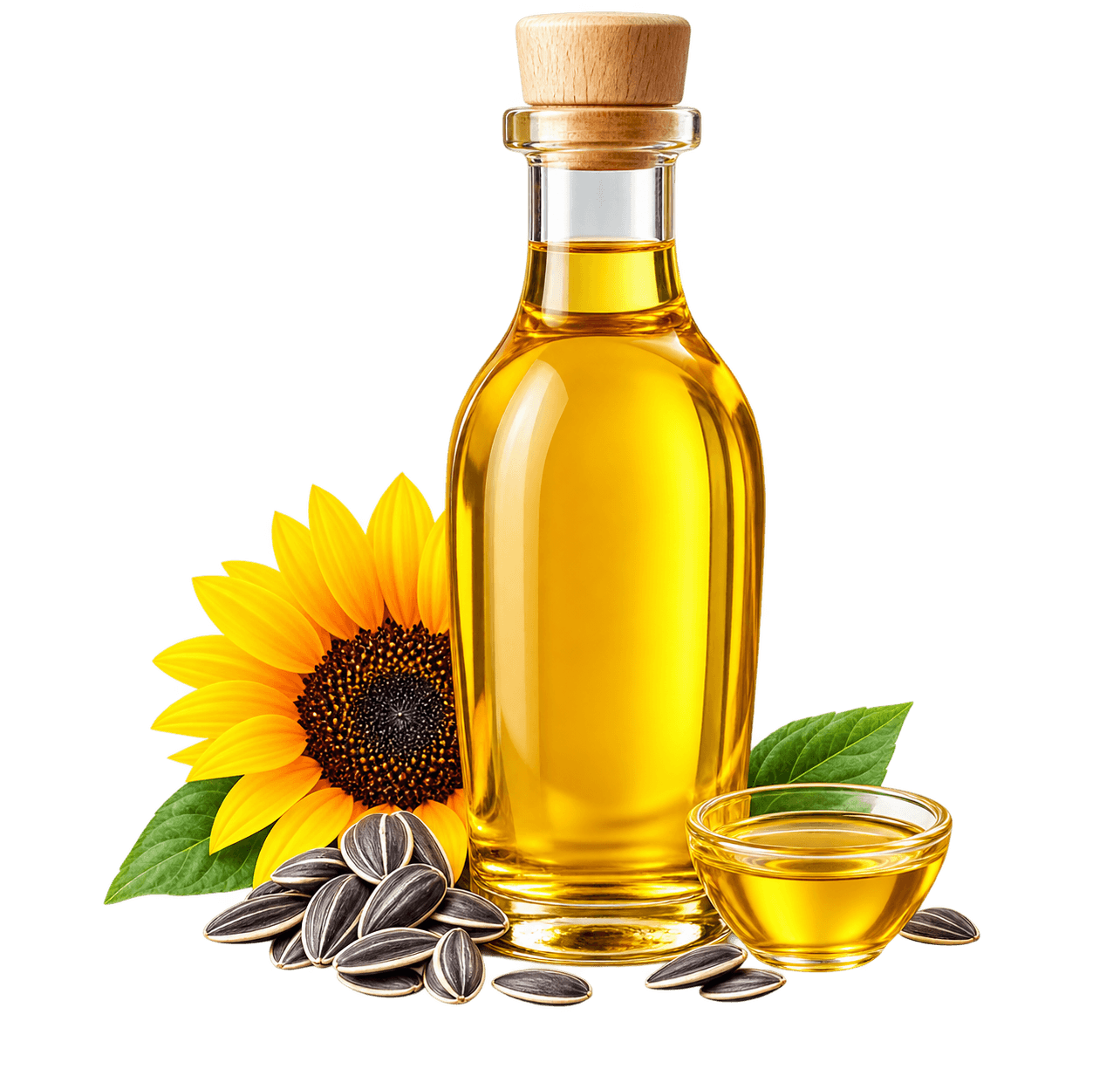 Cold Pressed Oil
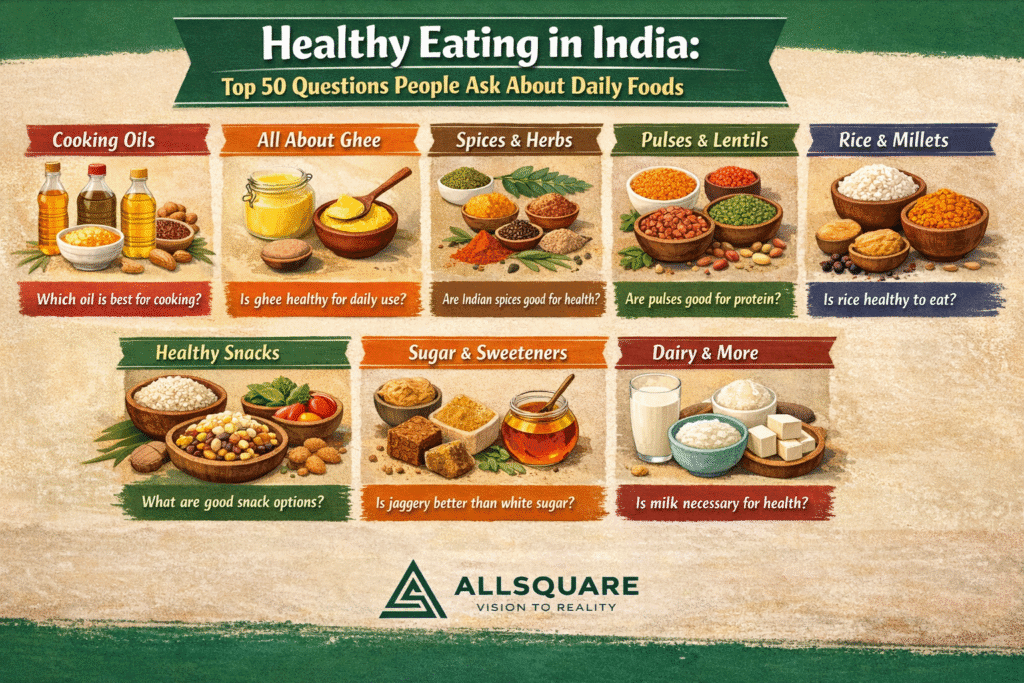
Healthy eating is a common topic in Indian households today. With so much information available online, people often feel confused about what to eat, how to cook, and which food products are truly good for health. From cooking oils and ghee to spices, pulses, grains, and snacks, daily food choices matter more than we think.
At AllSquare, we believe that healthy eating should be simple, practical, and suitable for everyday Indian kitchens. This blog answers the top questions people ask about daily foods in clear and beginner friendly words, helping you make informed and confident food choices.
Questions About Cooking Oils
1. Which cooking oil is best for daily Indian cooking?
The best cooking oil depends on your cooking style and health needs. Common Indian oils like mustard oil, groundnut oil, sunflower oil, and sesame oil are widely used. For daily use, it is better to choose pure and good quality oils and rotate between different oils for balance.
2. Is cold pressed oil healthier than refined oil?
Cold pressed oils are extracted without high heat or chemicals, which helps retain natural nutrients. Refined oils go through heavy processing. For regular home cooking, cold pressed oils are generally considered a healthier option.
3. How much oil should be used daily?
Oil should be used in moderation. Excess oil can lead to weight gain and health problems. Using small quantities while cooking balanced meals is the key to healthy eating.
Questions About Ghee
1. Is ghee healthy for everyday consumption?
Yes, pure ghee is healthy when consumed in small amounts. It supports digestion, provides energy, and helps in nutrient absorption. One or two teaspoons a day is enough for most people.
2. Is cow ghee better than other types of ghee?
Cow ghee is lighter and easier to digest compared to buffalo ghee. Many people prefer pure cow ghee for daily use, especially for digestion and overall wellness.
3. Can ghee be used for cooking?
Yes, ghee has a high smoke point, making it suitable for cooking. It is commonly used for tempering, roasting, and traditional Indian dishes.
Questions About Spices
1. Are Indian spices good for health?
Indian spices offer many health benefits. Turmeric supports immunity, cumin aids digestion, coriander cools the body, and black pepper improves nutrient absorption. Using natural spices daily can improve overall health.
2. How much spice is healthy?
Spices should be used in balanced amounts. Too much spice can irritate digestion, while the right quantity enhances flavor and health benefits.
3. How should spices be stored at home?
Spices should be stored in airtight containers away from moisture and sunlight. Whole spices stay fresh longer than powdered ones.
Questions About Pulses and Lentils
1. Are pulses good for protein?
Yes, pulses like moong dal, toor dal, chana, rajma, and masoor are excellent sources of plant based protein. They are essential for muscle strength and energy.
2. Why do pulses sometimes cause digestion issues?
Pulses contain natural fibers that can cause gas if not prepared properly. Soaking pulses before cooking and adding digestive spices like cumin or asafoetida helps reduce discomfort.
3. How often should pulses be eaten?
Pulses can be eaten daily as part of a balanced Indian diet. They keep you full for longer and support gut health.
Questions About Rice, Wheat, and Grains
1. Is rice unhealthy?
Rice is not unhealthy when eaten in proper portions. Pairing rice with vegetables, pulses, and protein makes it a balanced meal.
2. Is wheat good for daily consumption?
Whole wheat is a good source of energy and fiber for most people. Choosing fresh whole wheat flour instead of refined flour is a healthier choice.
3. Are millets better than rice and wheat?
Millets like ragi, jowar, and bajra are rich in fiber and minerals. Including millets in your diet adds variety and supports digestion and heart health.
Questions About Snacks
1. Are packaged snacks bad for health?
Many packaged snacks contain high amounts of salt, sugar, and unhealthy fats. They are fine occasionally but should not replace regular meals or homemade snacks.
2. What are healthy Indian snack options?
Healthy snacks include roasted chana, peanuts, fruits, nuts, homemade poha, sprouts, and curd. These snacks provide energy without harming health.
3. Is eating snacks between meals unhealthy?
Eating small healthy snacks between meals is fine and can help control hunger, especially if meals are spaced far apart.
Questions About Sugar and Sweeteners
1. Is jaggery healthier than white sugar?
Jaggery is less processed and contains trace minerals, making it slightly better than white sugar. However, it should still be consumed in limited amounts.
2. Is honey good for daily use?
Pure honey can be used daily in small quantities. It is often used with warm water or added to foods, but overheating honey should be avoided.
3. Are artificial sweeteners safe?
Artificial sweeteners reduce calorie intake but their long term effects are still debated. Natural sweeteners in moderation are a safer option.
Questions About Dairy Products
1. Is milk necessary for good health?
Milk is a good source of calcium and protein, but it is not compulsory for everyone. People who do not digest milk well can choose curd, paneer, or plant based alternatives.
2. Is curd good for digestion?
Yes, curd contains beneficial bacteria that support gut health. Homemade curd is especially helpful for digestion.
3. Is paneer healthy?
Paneer is a good source of protein and calcium. It should be eaten in moderate portions as part of a balanced diet.
Questions About Everyday Eating Habits
1. How important is homemade food?
Homemade food is generally healthier because you control the ingredients, oil, and portion sizes. Regular home cooked meals support long term health.
2. How much water should we drink daily?
Most adults should drink around 2 to 3 liters of water daily, depending on weather, activity level, and body needs.
3. Is skipping meals bad for health?
Skipping meals regularly can lead to low energy and digestion problems. Eating meals on time helps maintain metabolism and focus.
Final Thoughts from AllSquare
Healthy eating in India does not require extreme dieting or complicated rules. Simple choices like using quality oils, eating balanced meals, including pulses and spices, and limiting processed snacks can make a big difference.
At AllSquare, we focus on promoting everyday food habits that are practical, natural, and suitable for Indian lifestyles. By understanding your daily foods better, you can build a healthier relationship with food and enjoy long term wellness.
Healthy eating starts with small steps, taken consistently, every day.